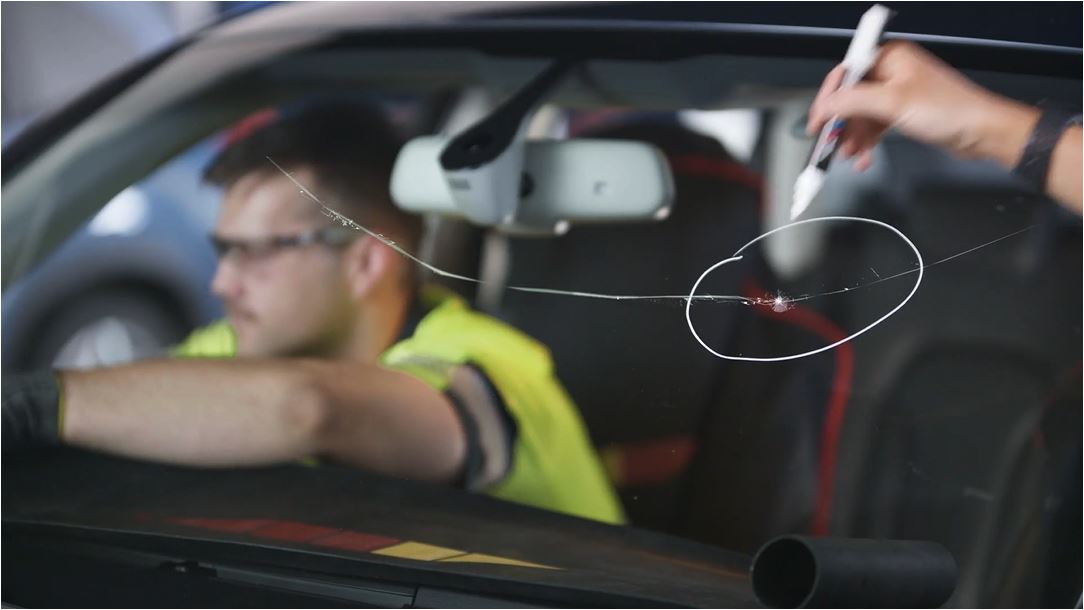
Most chips happen without warning. You don’t need to be tailgating. You don’t need to be reckless. Sometimes you’re just unlucky. A pebble bounces once, twice, then smacks your windscreen at the perfect angle. That’s all it takes.
What surprised me when I first looked into this is how fragile modern windscreens actually are. They’re tough in design—laminated, engineered, safety-focused—but once that outer layer is compromised, the structural integrity is weakened. Even a chip smaller than a 10-cent coin can become a long crack faster than you’d expect.
Heat plays a big role too. A cool morning followed by a blazing afternoon? That glass expands. A chip that seemed harmless at breakfast can stretch into a crack by dinner.
The “I’ll Deal With It Later” Trap
This is where most people slip up. I get it. Windscreen repairs aren’t exciting. They don’t feel urgent. And if the chip isn’t in your direct line of sight, it’s easy to forget about it altogether.
But here’s the thing—chips don’t heal themselves. They only get worse.
I’ve spoken to drivers who waited a week. Some waited a month. One bloke I chatted with at a servo swore his chip was “fine” until it split across half the screen during a cold snap. At that point, repair wasn’t an option anymore. Replacement was the only choice, and that’s a much bigger hit to the wallet.
A quick windscreen chip repair, done early, can usually stop the damage completely. The resin fills the chip, restores strength, and prevents cracks from spreading. It’s fast, relatively cheap, and—this part matters—often invisible once done properly.
Is Windscreen Chip Repair Actually Worth It?
Short answer? Yes. Long answer? Still yes, but let me explain.
A proper repair doesn’t just make the chip look better. It reinforces the glass so it can handle pressure, vibration, and temperature changes again. That means fewer surprises down the track.
There’s also the safety side of things. Windscreens aren’t just there to block wind and bugs. They support the roof in a rollover and help airbags deploy correctly. A compromised windscreen, even with a small chip, isn’t performing at 100%.
And then there’s legality. In most Australian states, driving with a damaged windscreen—especially if it’s in the driver’s line of sight—can land you a defect notice or a fine. No one wants that hassle over something that could’ve been fixed in under an hour.
Repair vs Replacement: Knowing the Difference Matters
Not every chip can be repaired. That’s just the reality. Size, location, and depth all play a role.
Generally speaking, chips smaller than a $2 coin, away from the edges, are good candidates for repair. Cracks that are long, deep, or spreading? That’s when replacement becomes necessary.
This is where talking to a professional really helps. A good technician won’t push you toward replacement unless it’s genuinely needed. They’ll assess the damage honestly, explain your options, and let you decide.
I’ve seen people panic and replace an entire windscreen when a simple repair would’ve done the job. On the flip side, I’ve also seen people insist on repairs when the glass was clearly beyond saving. Balance matters.
Finding the Right Help (Without Feeling Sold To)
Let’s be real—no one enjoys calling service providers and wondering if they’re being upsold. When it comes to something like windscreen chip repair, trust is everything.
Look for technicians who explain things clearly, don’t rush you, and are upfront about pricing. Mobile repair services can be especially handy if you’re juggling work or family commitments. Having someone come to you—home, office, wherever—can make the whole process surprisingly painless.
If you’re based in Australia, especially around busy metro areas, there are reputable local specialists who deal with this kind of damage every day. I’ve personally seen people mention services like windscreen chip repair specialists in Melbourne as a lifesaver when time’s tight and damage needs quick attention. Not flashy, not pushy—just practical help when you need it.
Little Habits That Can Prevent Bigger Problems
Here’s something you might not know: how you treat your windscreen after a chip appears can make a big difference.
Avoid blasting the air con or heater directly onto the glass. Sudden temperature changes can force cracks to spread. If possible, park in the shade. And please—don’t poke the chip or try DIY fixes unless you know exactly what you’re doing. Those home kits can help in some cases, but they’re not a guaranteed solution.
Also, if you notice a chip, don’t wait weeks to act. Even booking an inspection can give you peace of mind. Sometimes the repair is quicker than the coffee you grab on the way to work.
Why This Small Fix Feels Weirdly Satisfying
There’s something oddly reassuring about getting a chip repaired. Maybe it’s knowing you’ve stopped a problem before it snowballed. Maybe it’s seeing that tiny mark almost disappear. Or maybe it’s just one less thing on your mental to-do list.
Cars already demand enough attention. Tyres, servicing, fuel, insurance—it adds up. Windscreen chip repair is one of the few car maintenance tasks that actually feels efficient. Minimal time, minimal stress, maximum payoff.
I’ve had mine done while answering emails in a café car park. By the time my coffee was cold, the job was finished.
A Final Thought Before You Ignore That Chip Again
If you’re reading this because you’ve got a chip on your windscreen right now, take it as a sign. Not a dramatic one—just a gentle nudge. Deal with it early, and future-you will thank you.
Small problems have a way of growing when we pretend they’re not there. Windscreen chips are no different. Fixing them isn’t about perfection. It’s about safety, practicality, and honestly, saving yourself unnecessary stress.
